

When someone needs a repair service, a furniture supplier, a clinic or an industrial vendor in Bahadurgarh, the first conversation often happens before a phone call. They look up a name, examine Google reviews, check photographs and compare websites. Your online reputation is what those scattered signals say about your business when you are not there to explain it.
For a local business, online reputation grows through everyday actions: delivering what was promised, making it easy to find accurate information and responding constructively when something goes wrong. This guide explains how to develop an online reputation that reflects real service quality, builds local confidence and supports sustainable visibility rather than chasing quick fixes.
Why Online Reputation Matters for Bahadurgarh Businesses
Bahadurgarh serves neighbourhood customers as well as manufacturers, distributors and service providers who work across Haryana and Delhi NCR. A shopper checking opening hours has different questions from a procurement manager comparing suppliers, but both need credible trust signals. A business reputation supported by consistent public information can reduce hesitation at that critical decision point.
The distinction matters: positive reviews alone are not a substitute for quality. A strong online reputation connects public feedback with the experiences your staff deliver offline. If your website promises same-day support, your team must be ready to explain when it is available. If a factory claims a particular capability, show authentic evidence of it.
Start Your Online Reputation With an Accurate Google Business Profile
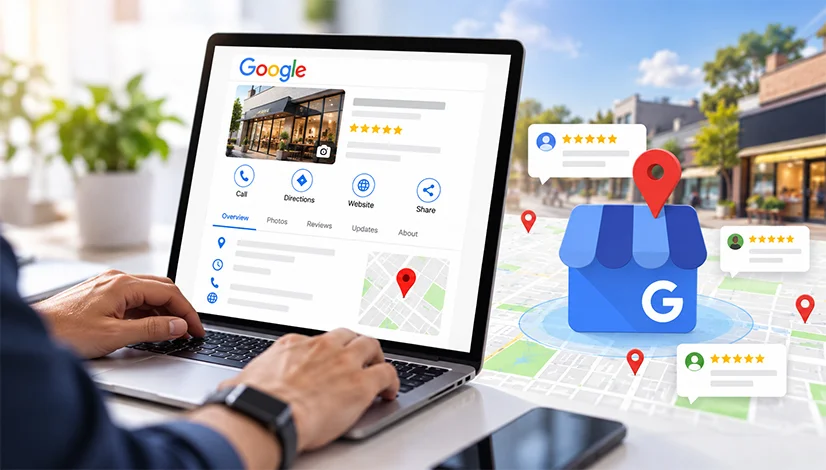
Treat your Google Business Profile as a practical customer-trust touchpoint, not a billboard. Confirm the business name, primary category, address, telephone number, website and operating hours. Choose relevant services, add genuine photographs, and update holiday hours before customers discover a locked gate.
Use photos that answer real questions: a clear storefront for walk-in visitors, your workshop for industrial buyers, or the reception and facilities of a service business. Keep descriptions factual. An accurate profile strengthens customer confidence because it helps people form realistic service expectations before they visit.
Check that the same name, address and phone details appear on your website and important listings. Avoid publishing conflicting numbers across directories; even minor inconsistencies can make a legitimate company appear difficult to reach.
Make Online Reputation Visible Through Genuine Customer Reviews
Ask customers for honest feedback after a genuine interaction, whether a completed purchase, a service visit or a fulfilled order. Share the official Google review link in a thank-you message or invoice, and make the request optional. Invite everyone fairly rather than approaching only customers who seem delighted.
Never offer gifts, refunds, coupons or discounts in exchange for reviews, and do not buy ratings. Google prohibits incentivized and manipulated contributions. The aim of customer feedback work is to earn authentic evidence of customer experience, not manufacture a perfect score.
A review that mentions reliable delivery or a staff member’s helpful explanation is often more informative than a generic five-star rating. Do not instruct customers what to write. You can learn more about the broader practice of reputation management and why trust cannot be reduced to star counts.
Protect Your Online Reputation by Responding to Feedback
Set a reasonable internal goal to acknowledge new reviews promptly. Thank positive reviewers without copying the same reply repeatedly. For negative feedback, stay calm, recognize the concern, provide a useful next step and move personal details into a private conversation.
For example, instead of disputing a delivery complaint in public, respond: “Thank you for explaining this. Please contact our service team with your order details so we can check what happened and work toward a resolution.” Do not reveal the customer’s phone number, order history or sensitive information in the reply.
A constructive response shows future customers how your team behaves under pressure. Customer trust can become stronger when a reasonable complaint leads to an observable improvement. Record repeated problems—such as unclear quotations or missed callbacks—and correct the operating process behind them.
Build an Online Reputation With a Trustworthy Website
Your website should confirm what customers find on Google. Display clear contact details, an accessible enquiry form, specific service descriptions, and truthful images. Explain who you serve, where you operate and how to request a quotation or appointment. A site that loads poorly or hides basic information can undermine credibility even if its design looks modern. For businesses improving site credibility, explore Web Pandits’ website development services.
For industrial and B2B firms, project photographs, capabilities, industries served and genuine certifications may matter more than catchy slogans. For shops and service providers, visitors often need directions, opening hours, service areas and a straightforward way to call, reinforcing online reputation. Include relevant policies and avoid publishing claims you cannot substantiate.
Improving your local search presence is easier with a structured approach to local SEO and search visibility. Helpful pages, mobile usability and accurate business information make it easier for people to verify you. SEO supports discovery, while the actual customer experience builds customer trust.
Use Real Proof to Strengthen Online Reputation
Publish brief case studies that explain the customer problem, what your team delivered and the result, using only details you have permission to share. Display original team or workplace photographs rather than pretending stock photos show your operations. Where suitable, introduce founders or service leads and their relevant experience.
A trustworthy presence is built from corroborating details: a supplier’s capabilities match its site, a customer review describes an actual service, and contact information works. If you share testimonials, obtain consent and avoid altering the meaning of what the customer said.
Use Social Media to Support Your Online Reputation

Choose platforms your buyers genuinely use instead of opening accounts everywhere. Retailers may benefit from visual product demonstrations and local updates. Manufacturers can share responsible behind-the-scenes posts, quality processes and trade-event news. Service businesses might publish FAQs and practical advice.
Keep posting manageable: a few useful, authentic updates are better than daily generic promotional graphics. Answer questions politely, explain changes in business hours, and direct account-specific problems to an appropriate private channel. Consistent tone helps your public presence feel human across every touchpoint. Businesses can bring social engagement and visibility together through a coordinated digital marketing strategy.
Avoid staging customer conversations or publishing private client information without permission. What seems like an engaging post today can cause a long-term trust problem if it exposes confidential details.
Improve Online Reputation Through Local Relationships
Online reputation grows beyond your own channels. Participate genuinely in business associations, relevant trade events and neighbourhood initiatives. If your company supports a community programme, describe its purpose accurately without exaggerating involvement or turning every contribution into an advertisement.
For a Bahadurgarh manufacturer, verified collaborations and useful industry insights can signal reliability to procurement teams. For a local shop, clear customer service and recommendations from established customers are often more meaningful than a viral post. These relationships strengthen buyer confidence when the public story matches actual conduct.
The wider idea of online presence management also shows why websites, social profiles and public conversations need to tell a consistent story.
Monitor Your Online Reputation Without Obsessing Over Ratings
Create a simple monthly review process. Search your business name, check review notifications, test contact forms, examine website enquiries and note recurring service questions. Where useful, track review volume, response time, recurring complaint themes, branded search impressions and qualified leads.
Do not judge a business by average rating alone. A five-star average from a handful of old reviews may say less than regular, detailed feedback accompanied by visible responses. Watch patterns over time, but interpret them alongside actual customer outcomes rather than treating every number as a ranking guarantee.
Assign responsibility: one person checks platforms, the service team resolves cases and the owner reviews recurring issues. This makes feedback actionable rather than another spreadsheet nobody opens.
A Practical 30-Day Online Reputation Action Plan
Week 1 — Audit: Search your company name and review your Google listing, site, social profiles and major directory entries. Fix wrong addresses, outdated timings, broken links and inconsistent contact information.
Week 2 — Improve proof: Add recent authentic photos, refresh service details and publish one helpful FAQ or a genuine project story. Make sure your team knows how to handle review requests ethically.
Week 3 — Listen and respond: Ask recent customers for unbiased feedback, reply to existing reviews and log common concerns. Turn repeated complaints into a small, specific process improvement.
Week 4 — Measure: Check enquiry quality, branded searches and response handling. Decide what to improve next month. Long-term customer confidence comes from repeating this cycle, not completing a one-time campaign.
Common Online Reputation Mistakes to Avoid
Buying five-star reviews, asking only happy customers for feedback, publishing unverifiable awards and ignoring legitimate complaints can all erode business credibility. So can copying the same generic response to every review or relying solely on a social media page while your website remains outdated.
Another mistake is promising immediate rankings or guaranteed lead volumes. Digital credibility and local search depend on multiple factors, and no ethical agency can promise a fixed ranking. The best customer trust strategy focuses on service, factual information, helpful communication and continuous improvement.
Conclusion: Build Online Reputation Through Everyday Trust
Whether you operate a showroom, factory, clinic or service firm, the strongest online reputation begins with real customers having experiences worth sharing. Keep your information accurate, invite honest feedback, respond with respect, demonstrate your capabilities and learn from recurring concerns.
If you want help connecting these activities with a consistent digital strategy, you can contact Web Pandits to discuss your website and local visibility. For businesses in Bahadurgarh, meaningful growth in trust comes from doing the basics well—and making your credibility easy to discover.